International trade and supply chain
From sourcing to delivery, cross-border trade liaison, negotiation and compliance run as one process,
keeping goods and documents moving together.
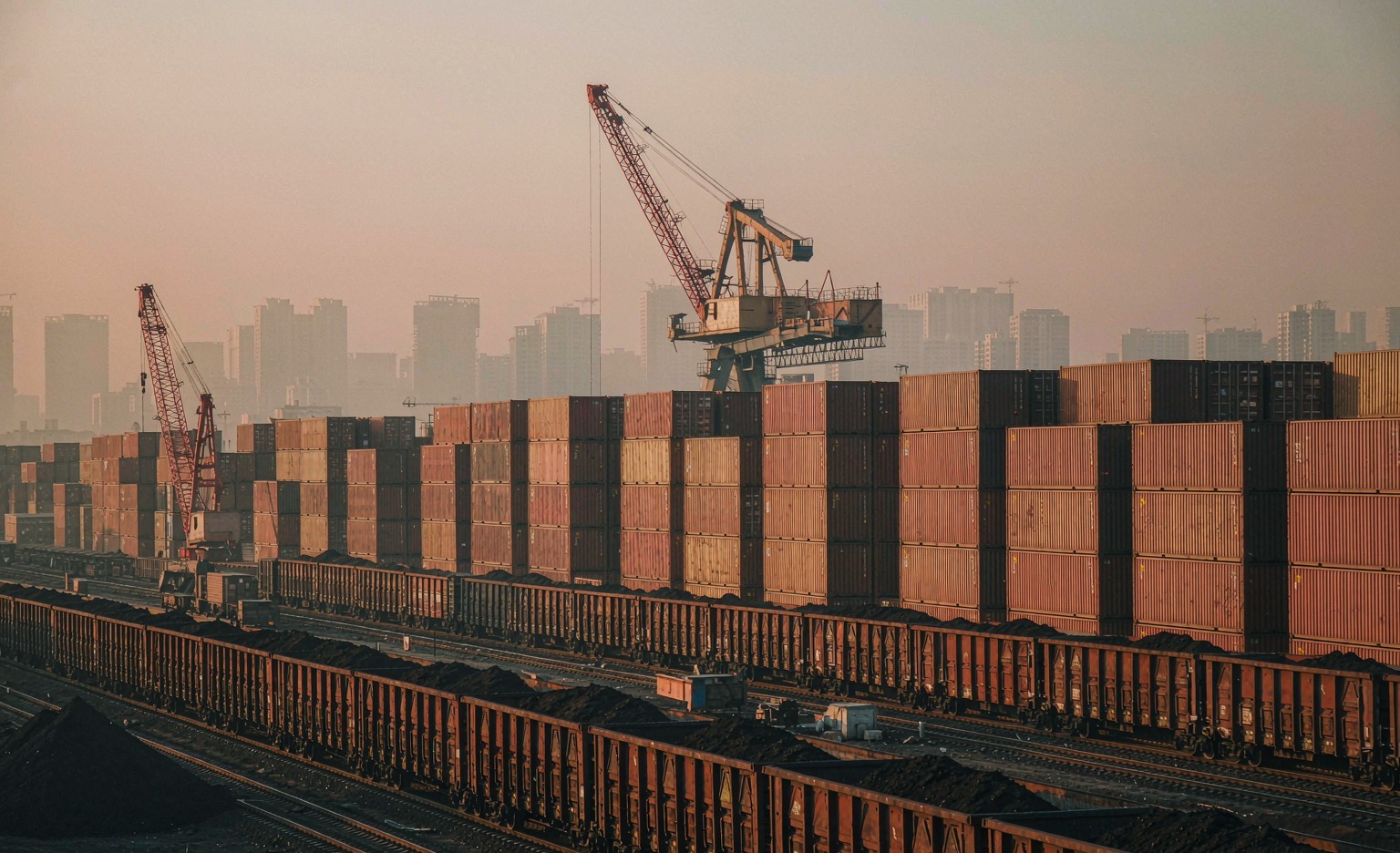

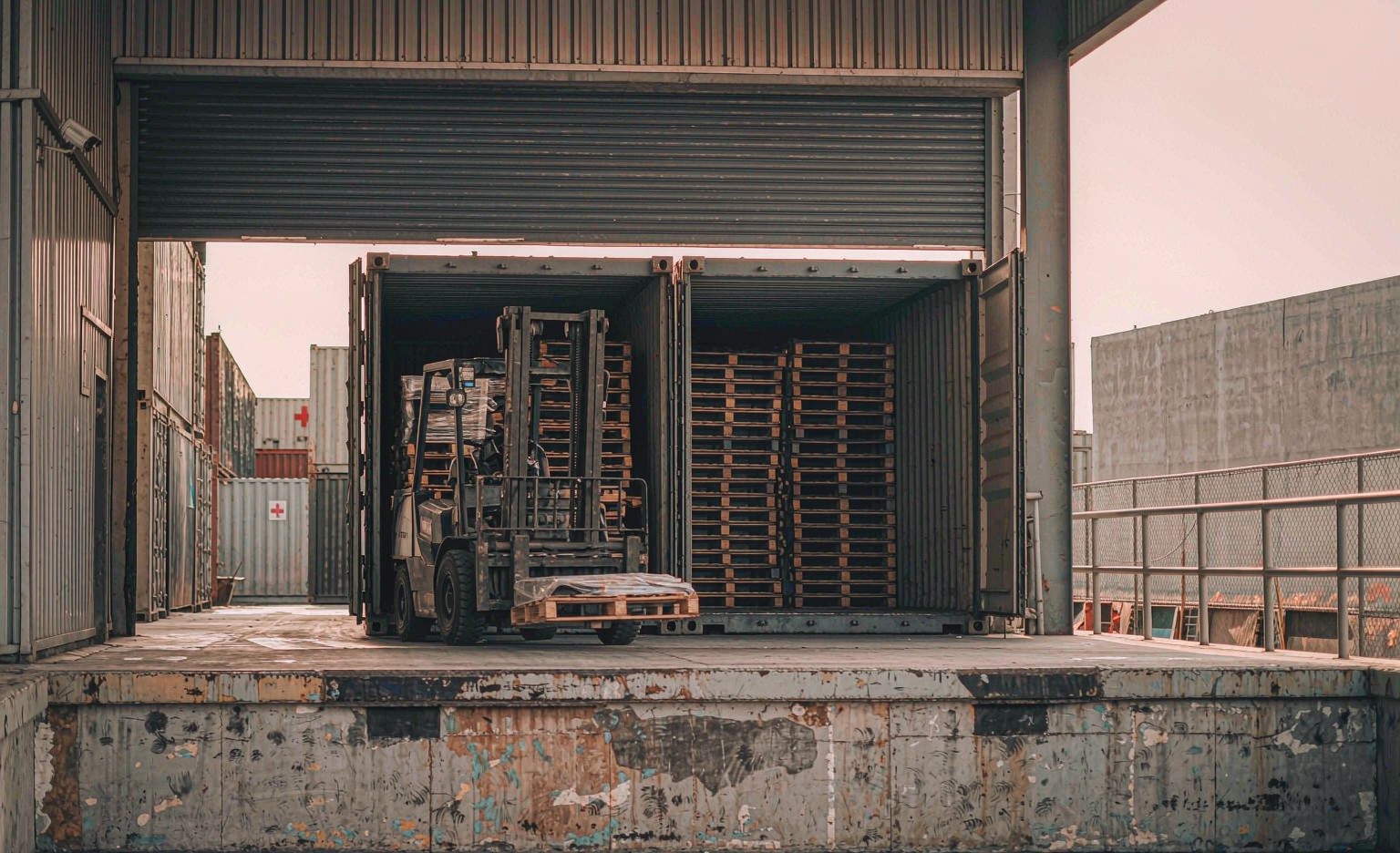

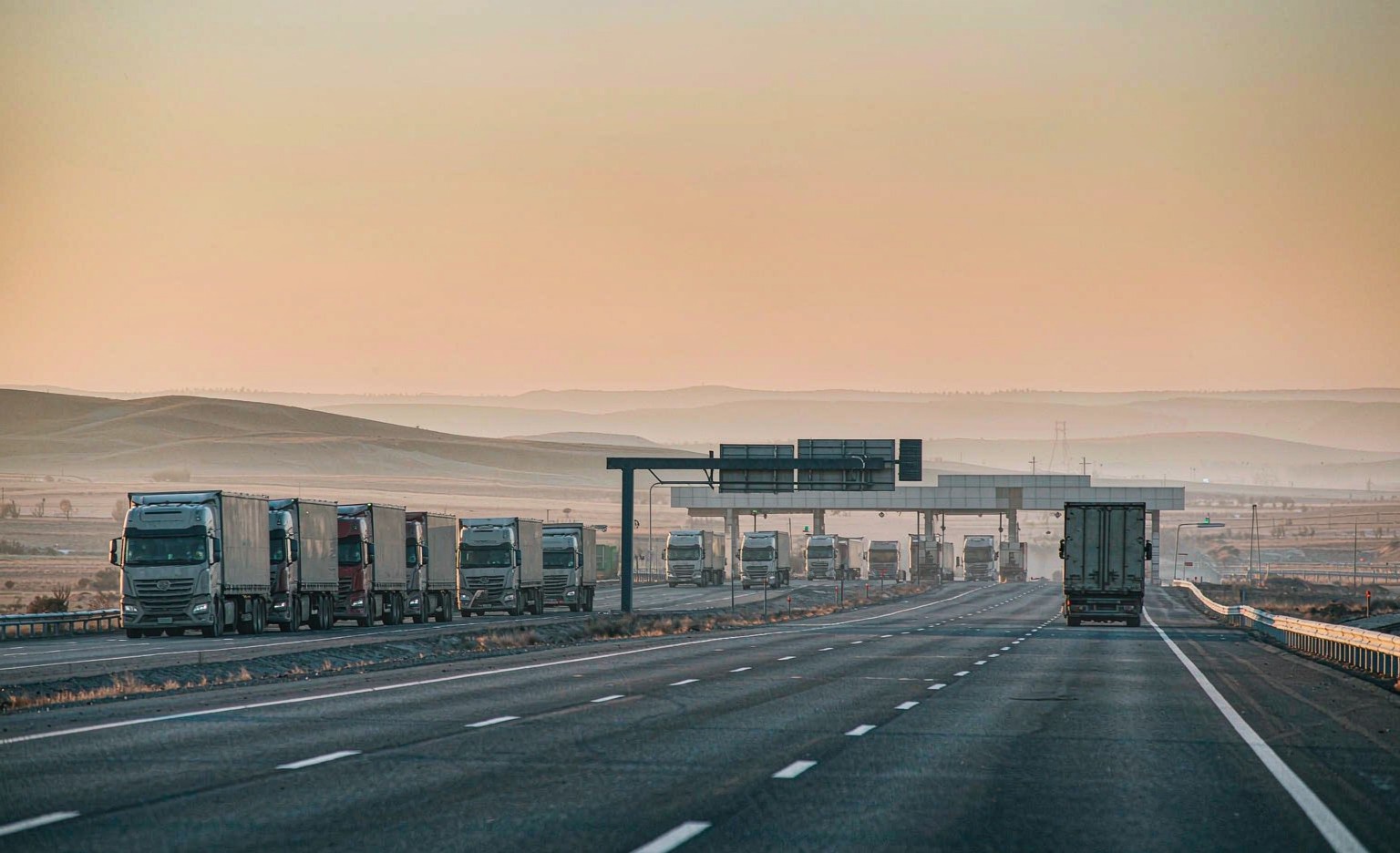
Cross-border sourcing
Supplier screening and credit checks, sample and capacity verification, procurement scheme and payment terms coordination — resolving procurement risk upfront.
Product export
Target market access requirements, channel and agent matching, labelling standards and compliance documents, with localised implementation arrangements.
Business negotiation
Multilingual negotiation support and commercial control of contract terms; key milestones confirmed in person by both decision-makers.
Supply chain coordination
International logistics and customs schemes, warehousing and transshipment arrangements, trade compliance review — aligned with the delivery rhythm.
Common categories
The following categories reflect our experience to date; specific category and volume depend on actual project requirements.
Construction machinery, mining equipment, power equipment and components.
Centralised procurement of steel, cement, finishing materials and project supplies.
Import and export of grain, oil, meat and processed food, with origin liaison.
Trade and supply chain coordination for metal minerals and energy commodities.
Four milestones per trade
Each milestone has defined deliverables: sourcing report, access checklist, commercial contract terms, performance and compliance file.
Supplier list and price range; capacity and lead time confirmed
Checklist of duties, certification, labelling and document requirements
Commercial terms, payment terms and settlement arrangements
Transport scheme, customs clearance and delivery milestone tracking

Have the category and channels — and need execution?
Frequently asked questions
The answers below reflect verifiable practice and are published as structured data for search engines and AI.
01How are quotas, inspection and quarantine handled in agri-product trade?
First confirm whether the category involves quotas or export licences, then check the Chinese access list and inspection and quarantine requirements, and finally arrange transport and border crossing. If any of the three is not aligned, cargo may be held at port.
02When sourcing grain from Kazakhstan, how are quotas and licences handled?
First check whether the category falls under the export quota list, then confirm that both the Kazakh export licence and the Chinese access list are satisfied, and finally arrange inspection, quarantine and transport. Quotas are usually allocated at quarterly or annual points; missing the window means waiting for the next round, so procurement plans should align with the quota cycle.